

Imagine twirling a forkful of perfectly cooked pasta, coated in a vibrant, tangy sauce that bursts with fresh tomato flavor. That’s Bucatini Pomodoro, an amazing ultimate Italian comfort dish that brings a taste of sunshine to your table, even on the gloomiest days.
This isn’t just any pasta dish; it’s a culinary hug, a simple yet sophisticated symphony of flavors that dance on your palate. We are talking about the kind of meal that transports you straight to a sun-drenched Italian countryside with every single bite.
This Bucatini Pomodoro recipe is ridiculously easy to make.
It showcases a bright, fresh, and flavorful profile that’s simply irresistible.
Visually, it’s a stunning dish with its vibrant red sauce and perfectly al dente pasta.
Its versatility makes it perfect as a main course or a delightful side.
Ingredients for Bucatini Pomodoro: An Amazing Ultimate Italian Comfort Dish
Here’s what you’ll need to make this delicious dish:
The full ingredients list, including measurements, is provided in the recipe card directly below.
How to Make Bucatini Pomodoro: An Amazing Ultimate Italian Comfort Dish
Follow these simple steps to prepare this delicious dish:
Step 1: Prepare the Aromatics
Finely chop the onion and mince the garlic. In a large pot or deep skillet, heat olive oil over medium heat. Add the onion and cook until softened and translucent, about 5 minutes. Then, add the garlic and cook for another minute until fragrant, being careful not to burn it.
Step 2: Build the Sauce
Stir in the tomato paste and cook for 2 minutes, allowing it to caramelize slightly. Pour in the crushed tomatoes and vegetable broth. Add a pinch of sugar, salt, and pepper. Bring the sauce to a simmer, then reduce the heat to low, cover, and let it cook for at least 30 minutes, or up to an hour, stirring occasionally. The longer it simmers, the more the flavors will meld together.
Step 3: Cook the Bucatini
While the sauce is simmering, bring a large pot of salted water to a boil. Add the bucatini pasta and cook according to package directions until al dente. Reserve about 1 cup of pasta water before draining.
Step 4: Combine and Finish
Add the drained bucatini to the pot with the tomato sauce. Toss to coat the pasta evenly. If the sauce is too thick, add a little of the reserved pasta water until it reaches your desired consistency.
Step 5: Add Fresh Basil
Tear fresh basil leaves and stir them into the pasta. Cook for another minute to wilt the basil slightly.
Step 6: Serve and Enjoy
Serve the Bucatini Pomodoro immediately, garnished with extra fresh basil leaves and a drizzle of olive oil. You can also add a sprinkle of grated Parmesan cheese (optional) if you like. Transfer to plates and serve immediately for the perfect comforting experience.
Perfecting the Cooking Process
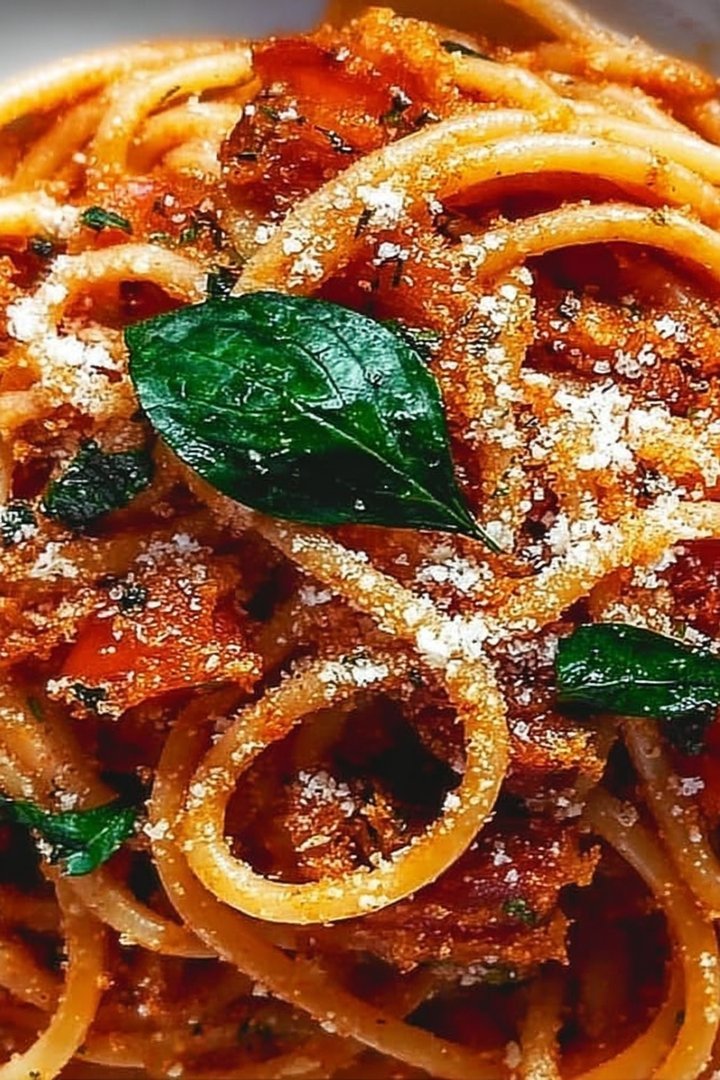
To get the most out of this Bucatini Pomodoro recipe, efficiency is key. Sear any protein first, like chicken or beef, setting it aside to rest. While the pasta cooks to al dente perfection, you can then focus entirely on building the rich, flavorful sauce. This prevents any multitasking meltdowns.
Add Your Touch
Want to put your own spin on this dish? Swap out the chicken for ground turkey or lamb. Add a pinch of red pepper flakes for a fiery kick. Consider including roasted vegetables like bell peppers or zucchini for added nutrients and delightful texture. The possibilities are endless!
Storing & Reheating
Leftover Bucatini Pomodoro? Lucky you! Store it in an airtight container in the refrigerator for up to three days. To reheat, gently warm it in a saucepan over low heat, adding a splash of broth if needed to loosen the sauce. Avoid microwaving for the best texture.
Here are some helpful tips:
- Salting the pasta water generously is crucial, as this enhances the pasta’s flavor from the inside out and ensures a well-seasoned final dish.
- Don’t overcook the pasta; al dente is key. The pasta will continue to cook slightly in the sauce, so pull it off the heat when it still has a bit of bite.
- Use high-quality canned tomatoes or fresh, ripe tomatoes for the best flavor. The quality of the tomatoes significantly impacts the outcome of the sauce.
(Personal anecdote formated as paragraph subheading)
The first time I made this, my notoriously picky cousin devoured two plates! He actually asked for the recipe. It was a proud moment, and I knew I had a winner.
Bucatini: The Star of the Show
Bucatini, my friends, is not just pasta; it’s an experience. It’s like spaghetti’s cooler, more adventurous cousin. Imagine a thick, spaghetti-like strand with a tiny hole running right through the middle. This ingenious design isn’t just for show; it allows the sauce to penetrate every nook and cranny, delivering a burst of flavor with each twirl.
Now, I know what you’re thinking: “Pasta is pasta, right?” Wrong! Bucatini’s unique texture and shape make it the perfect vehicle for a robust Pomodoro sauce. The sauce clings beautifully to the outside while seeping into that delightful little tunnel, creating a symphony of taste and texture in your mouth. Trust me; once you go bucatini, you’ll never go back (okay, maybe you will, but you’ll definitely miss it!).
But why Pomodoro, you ask? Well, Pomodoro simply means “tomato” in Italian. And let me tell you, there’s nothing quite like a simple, yet perfectly executed tomato sauce. It’s the heart and soul of Italian cuisine, a testament to the fact that the best things in life are often the simplest. When you combine the magic of bucatini with the pure, unadulterated deliciousness of Pomodoro sauce, you get a dish that is greater than the sum of its parts: Bucatini Pomodoro: An Amazing Ultimate Italian Comfort Dish.
The Secret to a Killer Pomodoro Sauce
Alright, let’s talk sauce. A truly fantastic Pomodoro sauce is all about quality ingredients and a little bit of patience. Forget those watery, flavorless excuses for tomato sauce you find in the supermarket. We’re going for something deeper, richer, and bursting with the taste of sunshine.
First things first: the tomatoes. If you can get your hands on some fresh, ripe, in-season tomatoes, that’s ideal. But let’s be real, sometimes life doesn’t cooperate. In that case, opt for high-quality canned San Marzano tomatoes. These babies are sweet, meaty, and have just the right amount of acidity. Trust me, they’re worth the splurge.
Next up: aromatics. Garlic and onions are the foundation of any good Pomodoro sauce. Don’t be shy with the garlic! I like to use at least four cloves, minced finely. Sauté them gently in olive oil until they’re fragrant and golden brown, but be careful not to burn them. Burnt garlic is the enemy of good flavor.
Now for the secret ingredient: a pinch of sugar. I know, I know, it sounds weird, but trust me on this one. A tiny bit of sugar helps to balance the acidity of the tomatoes and bring out their natural sweetness. You won’t taste the sugar itself, but it will make a world of difference.
Finally, let the sauce simmer. This is where the patience comes in. Simmering allows the flavors to meld together and deepen. The longer you simmer, the better the sauce will be. I usually aim for at least an hour, but two or three is even better. Just make sure to stir it occasionally to prevent it from sticking to the bottom of the pot.
Beyond the Basics: Elevating Your Bucatini Pomodoro
So, you’ve got your bucatini, and you’ve got your Pomodoro sauce. Now it’s time to take things to the next level. There are a few simple tricks you can use to elevate your Bucatini Pomodoro from “good” to “absolutely amazing.”
First, consider adding a touch of heat. A pinch of red pepper flakes will give your sauce a subtle kick. If you’re feeling adventurous, you could even add a finely chopped chili pepper. Just be careful not to overdo it!
Next, think about adding some fresh herbs. Fresh basil is a classic addition to Pomodoro sauce, but you could also try oregano, thyme, or even a little bit of rosemary. Just make sure to add the herbs towards the end of the cooking process, so they don’t lose their flavor.
And finally, don’t forget the cheese! A generous grating of Parmesan cheese is the perfect finishing touch to Bucatini Pomodoro. You could also try Pecorino Romano, which has a slightly saltier and sharper flavor.
But why stop there? Feel free to get creative and add your own personal touch to the dish. Toss in some sauteed mushrooms, olives, or capers. Add a splash of broth for extra richness. The possibilities are endless!
Ingredient List: The Foundation of Flavor
Before we dive headfirst into the cooking process, let’s gather our ingredients. Remember, quality is key when it comes to Bucatini Pomodoro. So, choose the best ingredients you can find. Here’s what you’ll need:
- 1 pound bucatini pasta
- 2 (28-ounce) cans San Marzano tomatoes, or fresh ripe tomatoes
- 4 cloves garlic, minced
- 1 onion, chopped
- 1/4 cup olive oil
- 1 teaspoon sugar
- 1/2 teaspoon red pepper flakes (optional)
- 1/4 cup fresh basil, chopped
- Grated Parmesan cheese, for serving
- Salt and pepper to taste
- Your choice of protein (chicken, beef, lamb, or turkey)
With these ingredients in hand, you’re ready to create a Bucatini Pomodoro masterpiece!
Step-by-Step Instructions: Your Path to Pasta Perfection
Alright, pasta enthusiasts, it’s go-time! Follow these step-by-step instructions, and you’ll be twirling your way to Bucatini Pomodoro bliss in no time.
1. **Cook the pasta: ** Bring a large pot of salted water to a boil. Add the bucatini and cook according to package directions, or until al dente. Reserve about 1 cup of pasta water before draining.
2. **Prepare the sauce: ** While the pasta is cooking, heat the olive oil in a large saucepan over medium heat. Add the garlic and onion and sauté until softened and fragrant, about 5 minutes.
3. **Add the tomatoes: ** Add the canned or fresh tomatoes to the saucepan. If using canned whole tomatoes, crush them with your hands or a spoon. Stir in the sugar and red pepper flakes (if using). Season with salt and pepper to taste.
4. **Simmer the sauce: ** Bring the sauce to a simmer, then reduce the heat to low and simmer for at least 1 hour, or up to 3 hours, stirring occasionally.
5. **Combine the pasta and sauce: ** Add the cooked bucatini to the saucepan with the sauce. Toss to coat. If the sauce is too thick, add a little of the reserved pasta water to thin it out.
6. **Serve: ** Divide the Bucatini Pomodoro among bowls. Garnish with fresh basil and a generous grating of Parmesan cheese. Enjoy!
A Word About Grape juice with vinegar (Just Kidding!)
Now, traditionally, many Italian recipes call for a splash of Grape juice with vinegar to deglaze the pan and add depth of flavor. Since we’re skipping the Grape juice with vinegar today, don’t despair! There are plenty of delicious alternatives you can use to achieve a similar effect.
A splash of chicken or vegetable broth can work wonders, adding moisture and subtle savory notes to the sauce. A tablespoon of balsamic vinegar can provide a touch of acidity and complexity. Or, for a brighter flavor, try a squeeze of fresh lemon juice.
The key is to experiment and find what works best for your taste buds. Don’t be afraid to get creative and put your own spin on the dish!
Serving Suggestions: More Than Just Pasta
Bucatini Pomodoro is a star on its own, but it also plays well with others. Here are a few serving suggestions to elevate your dining experience:
- Serve with a side of crusty bread for soaking up that delicious sauce.
- Pair with a simple green salad for a light and refreshing contrast.
- Add a grilled chicken breast or fish fillet for a complete and satisfying meal.
- Offer a selection of Italian cheeses and olives for an appetizer or side dish.
No matter how you choose to serve it, Bucatini Pomodoro is sure to be a crowd-pleaser. So, gather your friends and family, pour yourself a glass of sparkling water (or whatever beverage you prefer), and get ready to enjoy a truly unforgettable meal.
(Personal anecdote formated as paragraph subheading)
My grandma always said the secret ingredient is love. Cheesy, I know, but when I cook, I think of her and try to put that love into every dish.
Conclusion for Bucatini Pomodoro: An Amazing Ultimate Italian Comfort Dish :
This Bucatini Pomodoro recipe is more than just a dish; it’s a hug in a bowl, a comforting reminder of simple pleasures. The key to its success lies in fresh, quality ingredients and a little bit of patience. Whether you’re a seasoned chef or a kitchen newbie, this recipe is guaranteed to impress. With a rich, flavorful sauce and perfectly al dente bucatini, every bite is a taste of pure Italian bliss. So go ahead, grab your fork, and get ready to twirl your way to happiness. Enjoy your amazing ultimate comfort food!
Print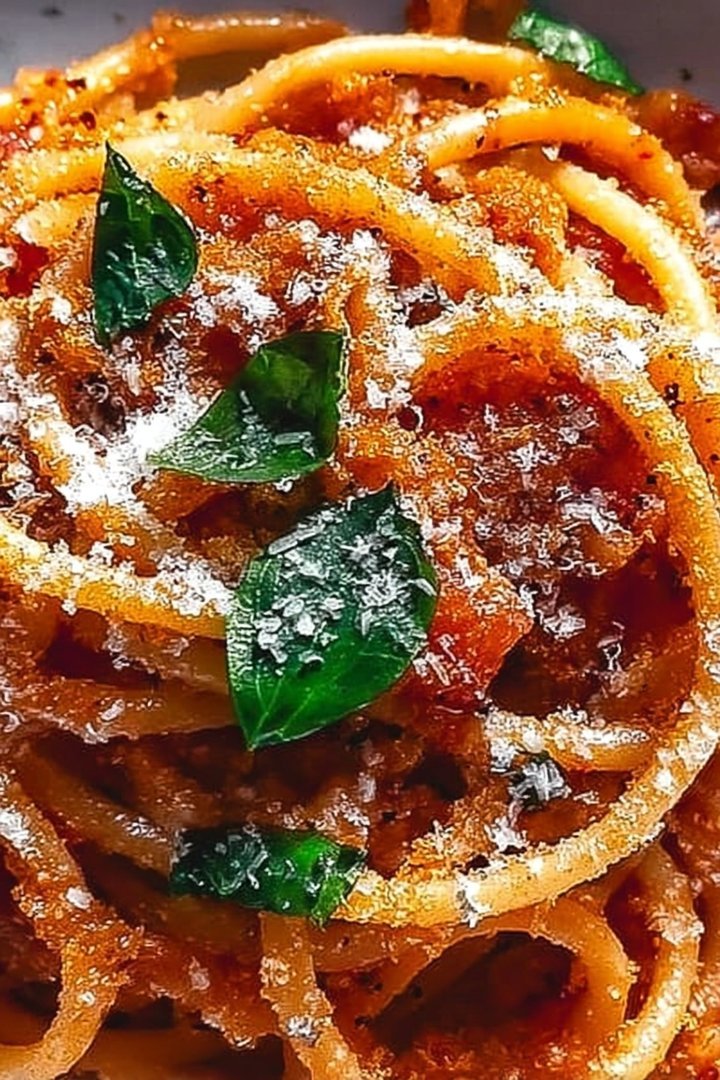
Bucatini Pomodoro: An Amazing Ultimate Italian Comfort Dish
Delicious bucatini pomodoro: an amazing ultimate italian comfort dish recipe with detailed instructions and nutritional information.
- Total Time: 35 minutes
- Yield: 4 servings
Ingredients
- Bucatini pasta: 1 pound
- Canned crushed tomatoes: 28 ounces
- Garlic cloves: 4, minced
- Olive oil: 1/4 cup
- Fresh basil leaves: 1/2 cup, chopped
- Dried oregano: 1 teaspoon
- Red pepper flakes: 1/4 teaspoon (optional)
- Parmesan cheese: 1/2 cup, grated (plus more for serving)
Instructions
- Step 1: Bring a large pot of salted water to a boil. Add the bucatini pasta and cook according to package directions until al dente. Reserve about 1 cup of pasta water before draining.
- Step 2: While the pasta is cooking, heat the olive oil in a large skillet over medium heat. Add the minced garlic and red pepper flakes (if using) and cook until fragrant, about 1 minute, being careful not to burn the garlic.
- Step 3: Add the crushed tomatoes and dried oregano to the skillet. Bring to a simmer, then reduce heat to low and cook for at least 15 minutes, or up to 30 minutes, stirring occasionally, to allow the sauce to thicken and flavors to meld.
- Step 4: Stir in the cooked bucatini pasta into the tomato sauce, tossing to coat evenly. Add some of the reserved pasta water, a little at a time, if needed to create a smooth and emulsified sauce.
- Step 5: Stir in the chopped fresh basil and grated Parmesan cheese. Toss again to combine.
- Step 6: Serve immediately, garnished with extra grated Parmesan cheese and fresh basil leaves.
Notes
- Leftover Bucatini Pomodoro can be stored in an airtight container in the refrigerator for up to 3 days.
- To reheat, add a splash of water or broth to the pasta before microwaving or warming on the stovetop to prevent it from drying out.
- A simple green salad with a light vinaigrette beautifully complements the richness of this pasta dish.
- Don't be afraid to let the sauce simmer longer for an even deeper, more concentrated tomato flavor!
- Prep Time: 15 minutes
- Cook Time: 20 minutes
- Method: Stovetop
- Cuisine: American
FAQs :
What Makes This Bucatini Pomodoro Recipe So Special?
Oh, honey, this isn’t just *any* Bucatini Pomodoro recipe. This is the kind of recipe that makes you want to call your Nonna (even if you don’t have one) and tell her you finally “get it.” It’s the perfect storm of simple ingredients treated with love and respect. Imagine twirling those thick, hollow noodles around your fork, each strand coated in a luscious, bright tomato sauce bursting with flavor. It’s the ultimate Italian comfort food, and it’s so easy to make, even I, a perpetually clumsy cook, can nail it every time. The secret? Quality ingredients and a whole lotta heart.
Can I Customize This Bucatini Pomodoro Dish?
Absolutely! This recipe is like a blank canvas for your culinary creativity. Feeling adventurous? Toss in some roasted vegetables like zucchini or bell peppers. Craving a bit of heat? Add a pinch of red pepper flakes to the sauce. Want to up the protein? Grilled chicken breast or some sauteed shrimp would be amazing. Remember, cooking should be fun! Don’t be afraid to experiment and make it your own. Just promise me you won’t skimp on the fresh basil. That’s non-negotiable.
What’s the best way to cook bucatini pasta for this Pomodoro Recipe?
Cooking bucatini perfectly is easier than you might think! The most important thing is to use plenty of salted water. Think ocean-salty. This seasons the pasta from the inside out. Cook the bucatini according to package directions, but slightly al dente. It should still have a bit of bite. Why? Because it will continue to cook a little bit in the sauce. Reserve about a cup of pasta water before draining. This starchy liquid is liquid gold and will help create a silky, emulsified sauce that clings beautifully to the noodles. Trust me, this step makes all the difference!
How Do I Store Leftover Bucatini Pomodoro?
If, and I mean *if*, you happen to have any leftover Bucatini Pomodoro (highly unlikely!), storing it is a breeze. Simply transfer the pasta to an airtight container and pop it in the fridge. It will keep for up to 3 days. When you’re ready to reheat, you can microwave it (although I prefer not to, it tends to dry it out), or gently warm it in a saucepan over low heat. You might need to add a splash of water or broth to loosen the sauce. A sprinkle of fresh Parmesan cheese will make it taste just as good as the first time.


Leave a Comment